The sometimes very good acoustic performance of an original instrument cannot be copied by an exact hand-crafted replica. Plucked instruments are highly complex, tensioned sound bodies with a flat soundboard construction as the central element of sound production from the living, inhomogeneous natural material wood. Compared to those of the replica (even if the wood species is the same), the wood(s) of the original have different physical and acoustic properties in terms of vibration behavior, sound transmission, tone, resilience, and weight. For these reasons, a replica of a good original instrument without the exact same acoustic and tonal characteristics does not achieve any extra value. To ensure that each instrument can develop its optimal sound, I focus my work on coordinating these individual material properties.
My models are an attempt to come as close as possible to the original; at the same time, they are interpretations, for which I access historical and scientific sources (plans, specialist literature, measurements, dendrochronology, photos, X-rays and computer tomography of originals, as well as historical illustrations). During production, I adhere to the respective tradition of construction.
I have been working intimately with musicians for decades, and have optimized my instruments for professional and virtuosic use in collaboration with them. In individual consultations, additional customization, optimal playability, and subjective sound tuning have been (and will continue to be) defined in order to implement personal tonal and haptic preferences on the instrument.
The priorities of my work are concentrated on a balanced mix of tone color and volume, balance of registers, dynamics and the tone’s carrying capacity, as well as easy response and playability. I tune the soundboard of each instrument optimally according to these aspects.
For the body, high-quality, air-dried woods receive special consideration. I seek out and work with woods that have not only a natural structure and color, but also a special grain. It is my aesthetic goal to bring the natural beauty of the wood to the forefront.
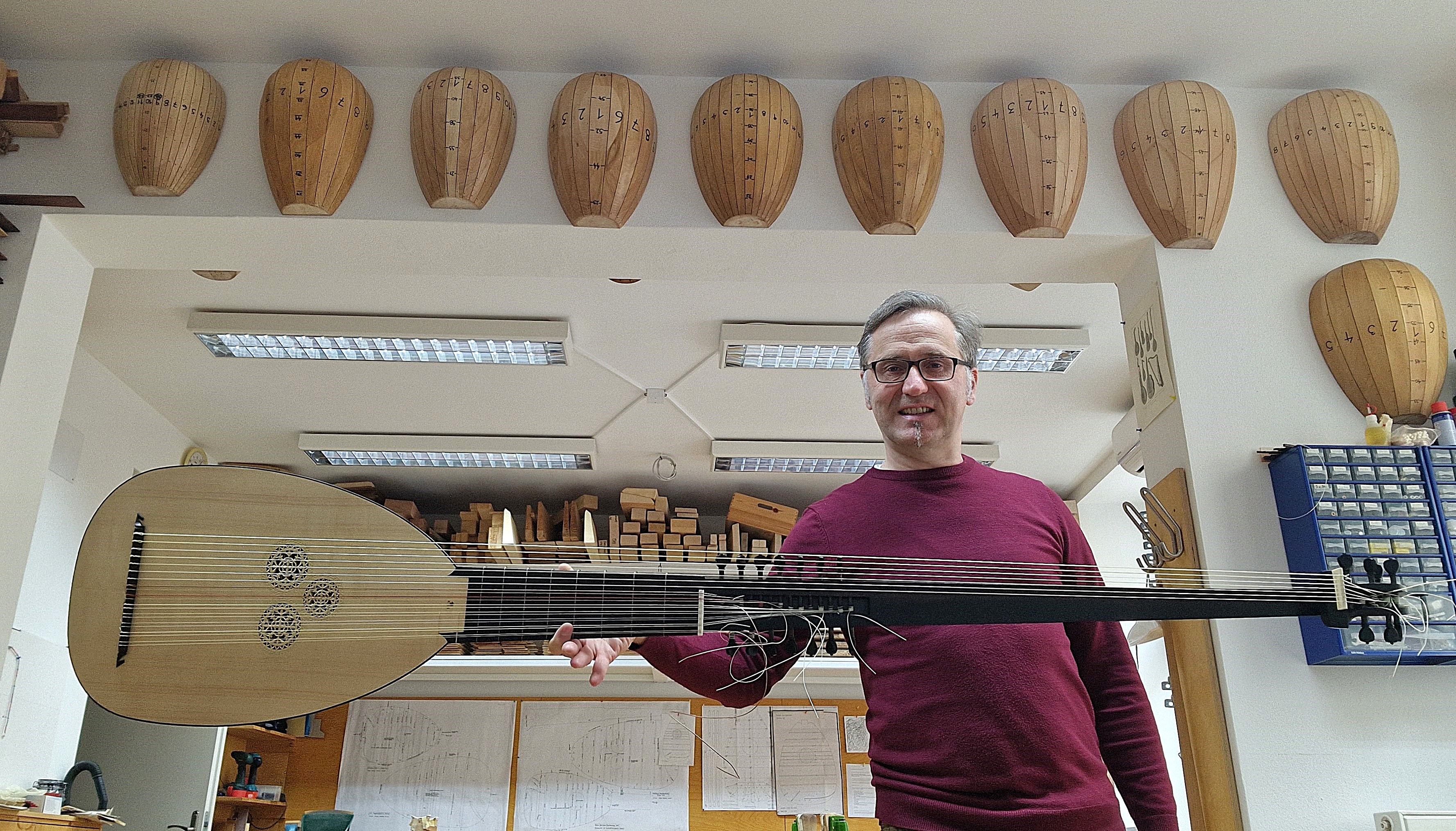
In the course of the conservation and documentation of the lutes of the Kremsmünster Abbey that was organized by restorer Klaus Martius and Dr. Sebastian Kirsch, on the initiative of lutenist Hubert Hoffmann, I was able – thanks to a grant from Austria Wirtschaftsservice (aws, 2014) – after thorough measurement of the open original (with the aid of dendrochronology and X-rays) to carry out the most accurate possible replica of the small 11-course Langenwalder baroque lute. Based on this, I developed a new model of the small 11-course Langenwalder with a swan neck and fan bars under the bridge on the spruce soundboard, as was common around 1720.
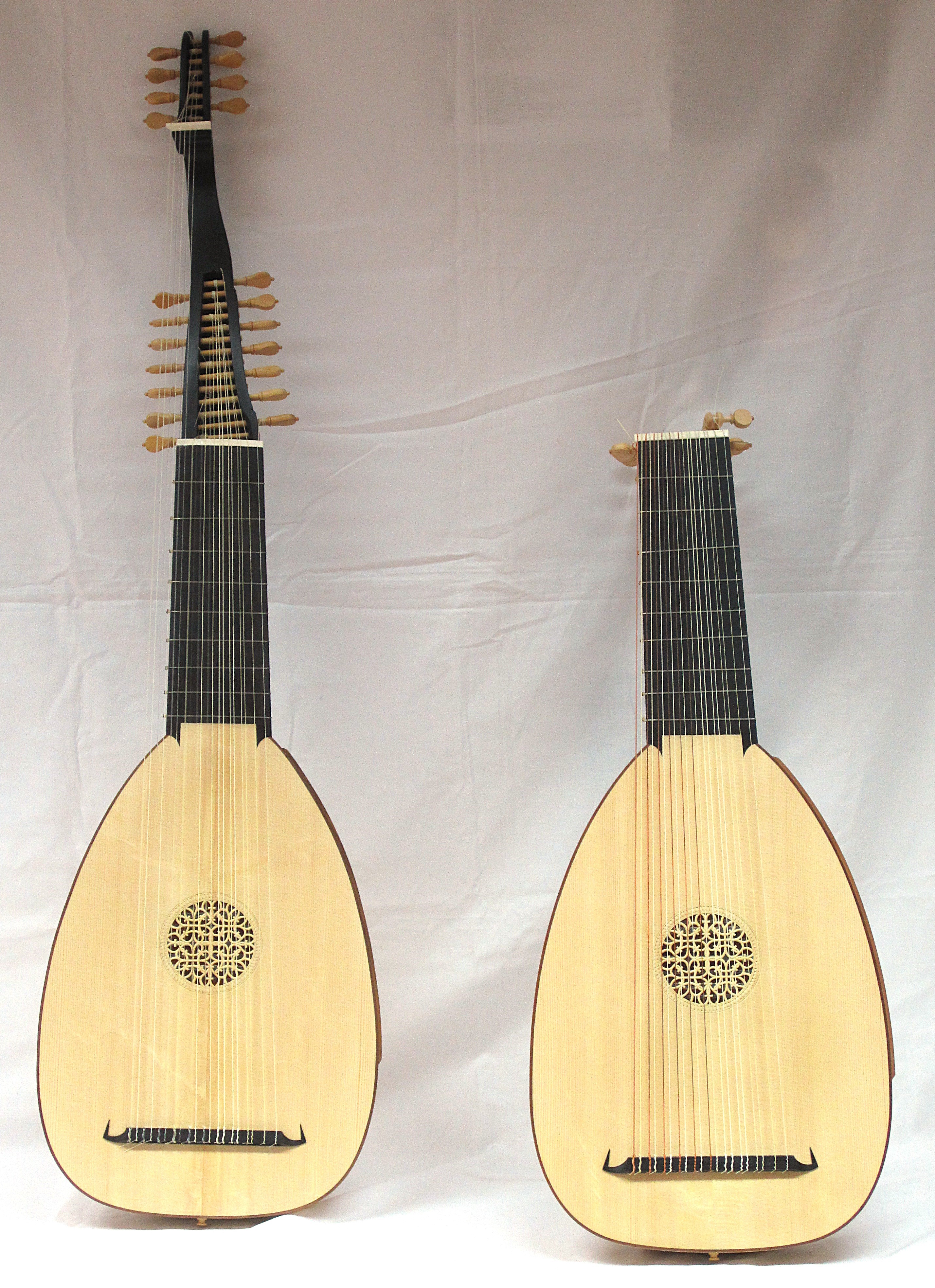
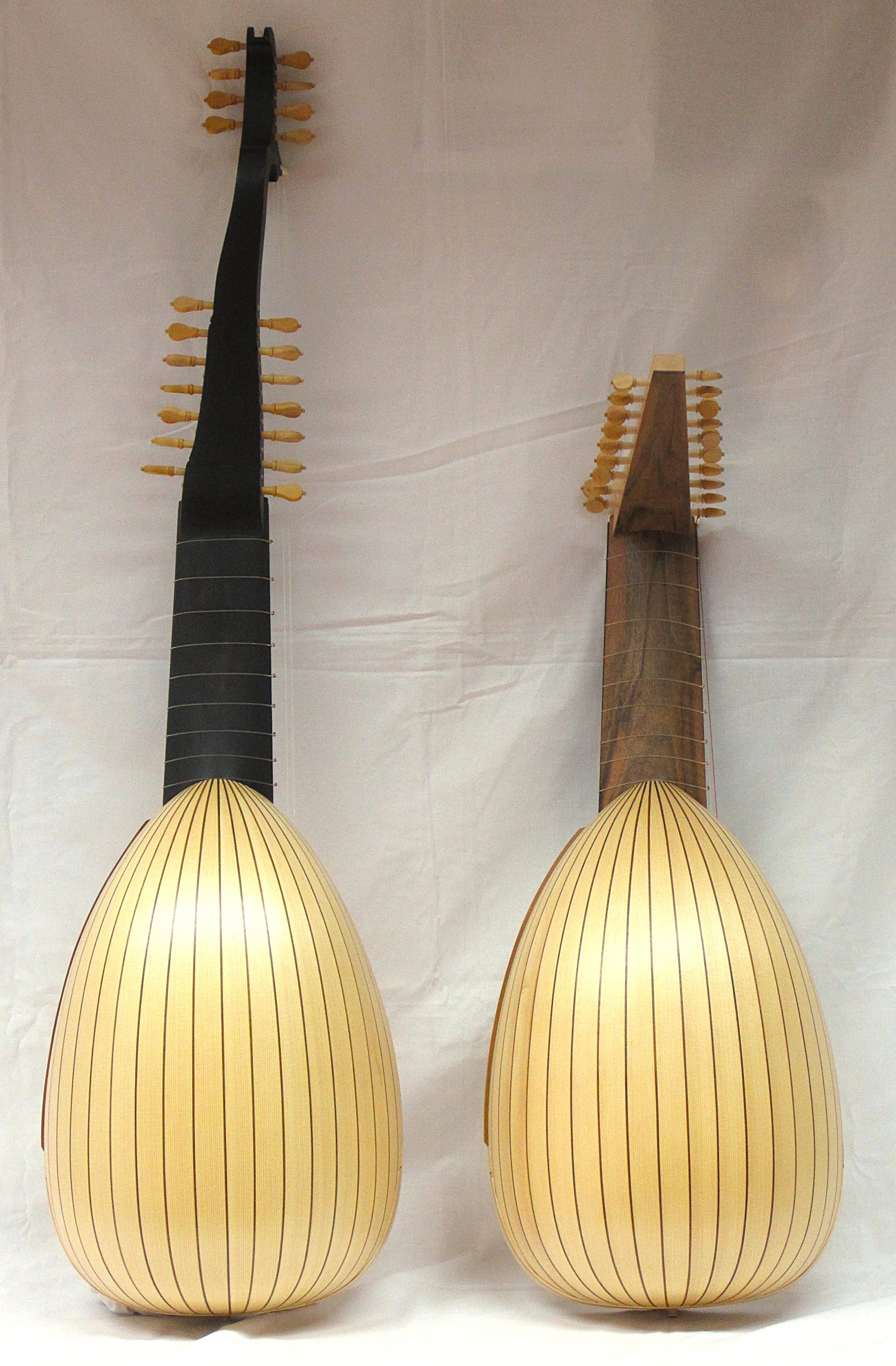
Left: My prototype with a swan neck, a fingerboard baroque neck, and fan-shaped baring.
Right: A replica, as exact as possible, of the original bent-neck lute by Jacob Langenwalder in 1627 / rebuilt to 11 courses by Matthias Greimbl in Kremsmünster in 1678.
The original has Renaissance baring and a fir wood body. Before the rebuild in 1678, the lute probably had 9 or 10 courses.
What is extraordinary about this project is that these lutes remained unchanged for 250 years, in light of their construction tradition and marks made from playing.
(The lutes of Kremsmünster Abbey, PLV Peißenberg 2020)
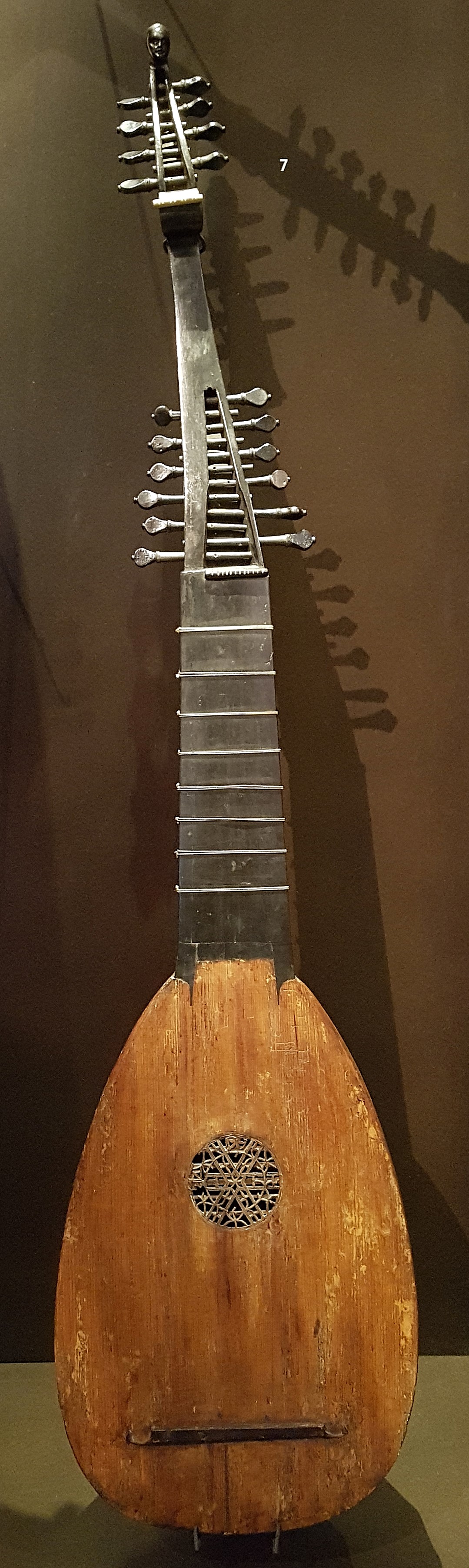
In 2018, the Mozarteum Salzburg commissioned several musical instrument makers to produce exact replicas of the musical instruments in the Salzburg Museum. In this context, at the arranged of lutenist Hubert Hoffmann, I measured the originals with the aid of dendrochronology and computer tomography, and thus produced the most accurate possible replica of the 11-course Baroque lute by A. F. Mayer (1723) – body by Michael Gartner (1524) – and the Colachon by Johannes Schorn (1688). I also reconstructed the 6-course tenor Renaissance lute by Michael Gartner (1524) for the Mozarteum Salzburg, taking historical representations into account.
Original lute body by Michael Gartner (1524), rebuilt with 11 courses by A. F. Mayer (1723), Salzburg Museum (MI 1087)
The acoustic tuning of plucked instruments made of the inhomogeneous natural material that is wood – in particular the soundboard (including the bar construction) – is a very individual, diverse and complex art which demands the best of the senses of sight, hearing and touch. The use of acoustic measurement methods, which is particularly popular in string instrument making, attempts to produce the most accurate acoustic copy of an original. Taking into account additional measurable physical properties of the original wood (weight, sound transmission). The model for the copy is very good original instruments (e.g. Stradivari, etc.) that have been already acoustically precisely measured. In the case of a newly built plucked instrument (with their more complex structure /soundboard+bars+body as a violin), this procedure serves only as a supporting measure in the acoustic tuning process with its many work steps under the conditions mentioned above (there are no acoustically measured original sounds) and is not in itself a guarantee for a generally very good overall acoustic quality. To achieve optimal results in acoustic quality with regard to balanced blending of timbre and volume, balance of registers, dynamics and carrying power of the tone, and easy response and playability, collaboration with professional/virtuoso musicians is essential.
On the original instrument, only the age of the soundboard’s wood can be scientifically determined by means of dendrochronological examination (annual ring analysis) (provided that no “old soundboard” has been newly installed). For all other components, it is not possible to determine the exact age, or a chronological classification can only be based on the construction tradition. Due to frequent modifications (lastly in guitars) or later restorations, it is not possible – or only possible to a limited extent – to determine the exact age of individual instrument parts based on construction tradition. Without dendrochronological analysis, the dating of instruments should be treated with caution.
During the heyday of the lute, instruments were produced in very large numbers using a division of labor. Italian lute makers' workshops processed semi-finished parts that were transported to Italy from the northern edge of the Alps, among other places (excerpt: Füssener Lauten und Geigenbau. Hofmeister Musikverlag, 2017, pp. 95-96). The estates of famous lute makers list the sheer quantity of semi-finished and finished parts, as well as finished lutes. Laux Maler (1552, Bologna) mentions 1,100 lutes, 1,354 soundboards (1,154 of which already had rosettes and inlays). Moise and Magno Tiefenbrucker (1581, Venice) are said to have had 335 lutes, 8 guitars, 150 lute bodies, 60 unfinished lutes, stored semi-finished products, 15,200 yew wood shavings, 2,000 soundboards, 300 bridges, 600 necks, and 160 pegs. Caspar Frei (1627, Bologna) had 522 lutes and chitarrones, several hundred guitars, and 400 soundboards.
According to historical sources, the cost of acquiring and maintaining lutes over the same period of use was many times higher than that of string instruments from the violin family. The lutenist Silvius Leopold Weiss received as much annual salary as the entire Dresden Court Orchestra.
Musical instruments are primarily utilitarian objects for making music and may also be elaborately crafted as a form of art. Due to changes in musical aesthetics, many plucked instruments lost their primary utility and disappeared from the Middle Ages through the Renaissance and Baroque periods. A possible conversion would ensure its continued use. As a result of the fundamental stylistic shift towards classicism around 1800, all Baroque plucked (stringed) instruments lost their primary utility. Thereby, the larger number of simple instruments disappeared (Except for the string instruments of the violin family. They was adapted to the changes and has been used without interruption until today). The secondary artisanal value ensured that existing Baroque plucked instruments received the necessary attention and promoted their continued existence in the private collections and art cabinets of the time. Today, they can be seen as exhibition pieces in museum collections. In the present, this has resulted in a quantitatively skewed ratio of simple plucked instruments in favor of artisanal ones with abundant ornamentation.
The "Originalklang" movement began in 1905 in German-speaking countries. Disused Baroque (string) instruments were reinstated. They regained their primary utility, while simultaneously increasing their monetary value. The lute instruments, which had completely disappeared from the musical scene around 1800, were necessary for the basso continuo and used in other musical areas, and were gradually reactivated by interested guitarists. Due to the scarcity of original lute instruments and their poor condition, replicas of Renaissance and Baroque lute instruments emerged. Initially, these instruments were based on current guitar construction due to a lack of knowledge the user and manufacturer about their original use, sound aesthetics, and the musical aesthetics of the eras. Also, the strings of the modern guitar - wound strings with a silk core (cathedral sound) - were preferred for the basses. Over time, research into performance practice, the instruments and the string material progressed. However, the influence of the sound aesthetics of the 6-string guitar can still be heard today (e.g., the one-stringed arciliuto).
I am a master craftsman specializing in the construction of stringed and bowed instruments, and also in the construction of new Renaissance and Baroque plucked instruments. All instruments offered are one-of-a-kind. To document the respective optimizations in terms of acoustics, sound, and feel, I have created detailed digital drawings.
My instruments are played by musicians from all over the EU, neighboring countries, the USA, Australia, Israel, and elsewhere. Many of my instruments have been purchased by the following universities and conservatories: mdw Vienna, MUK Vienna, HfMT Cologne, HfM Würzburg, HfM Munich, Mozarteum Salzburg, Kunstuni Graz – and in these institutions, they have been made available to students to practice and perform on.
(Additional information about the design and features of my instruments can be found in the Terms and Conditions.)
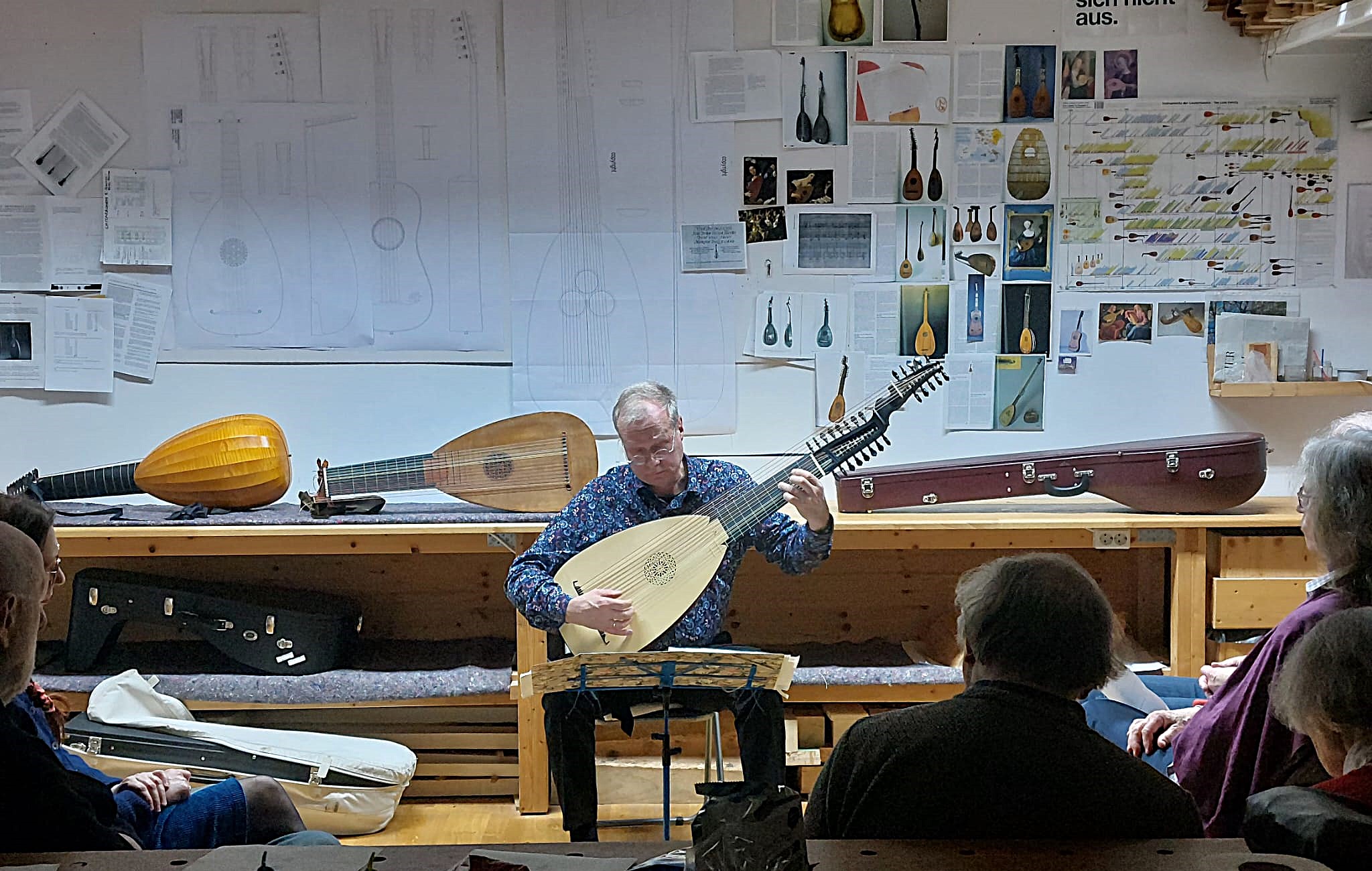
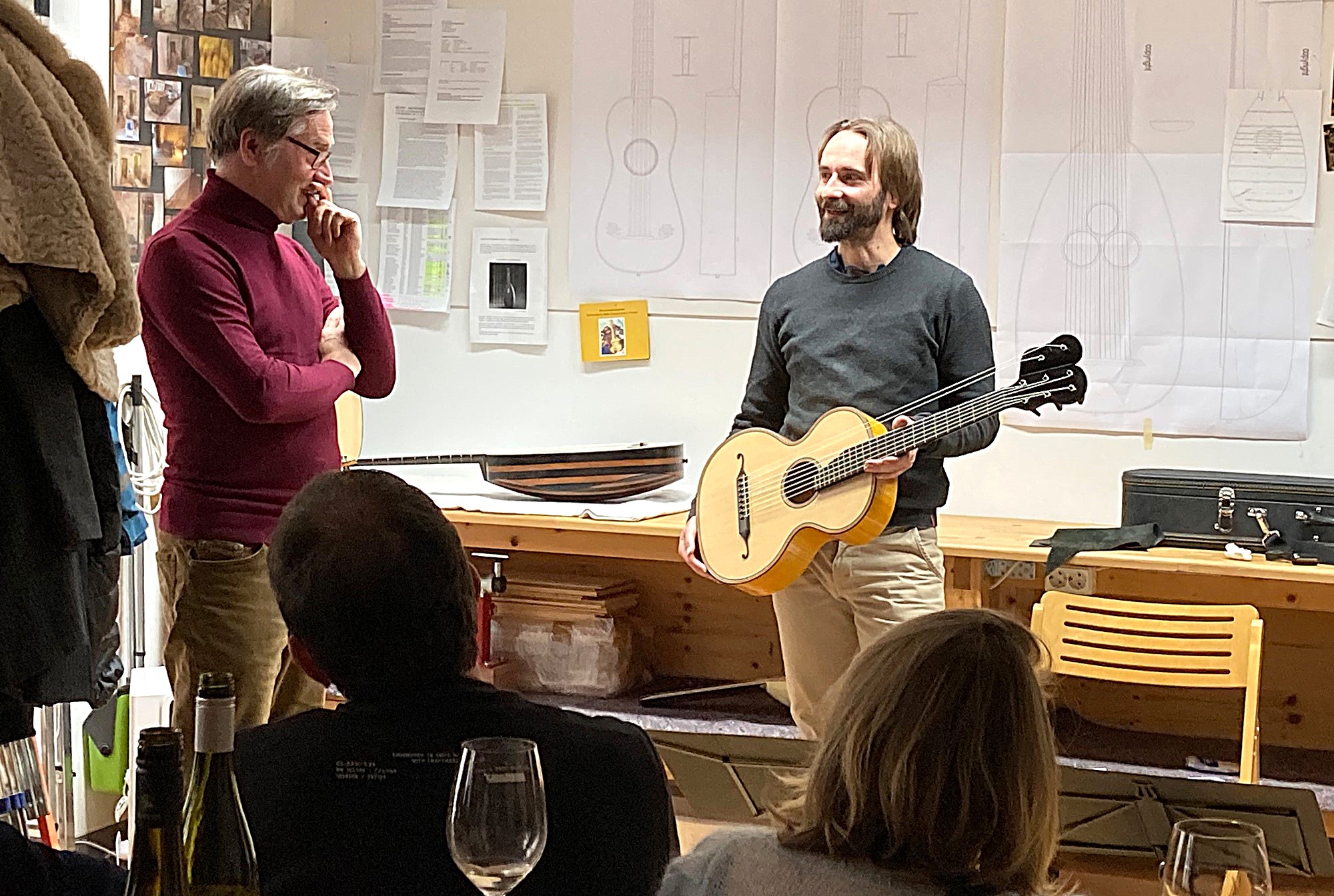
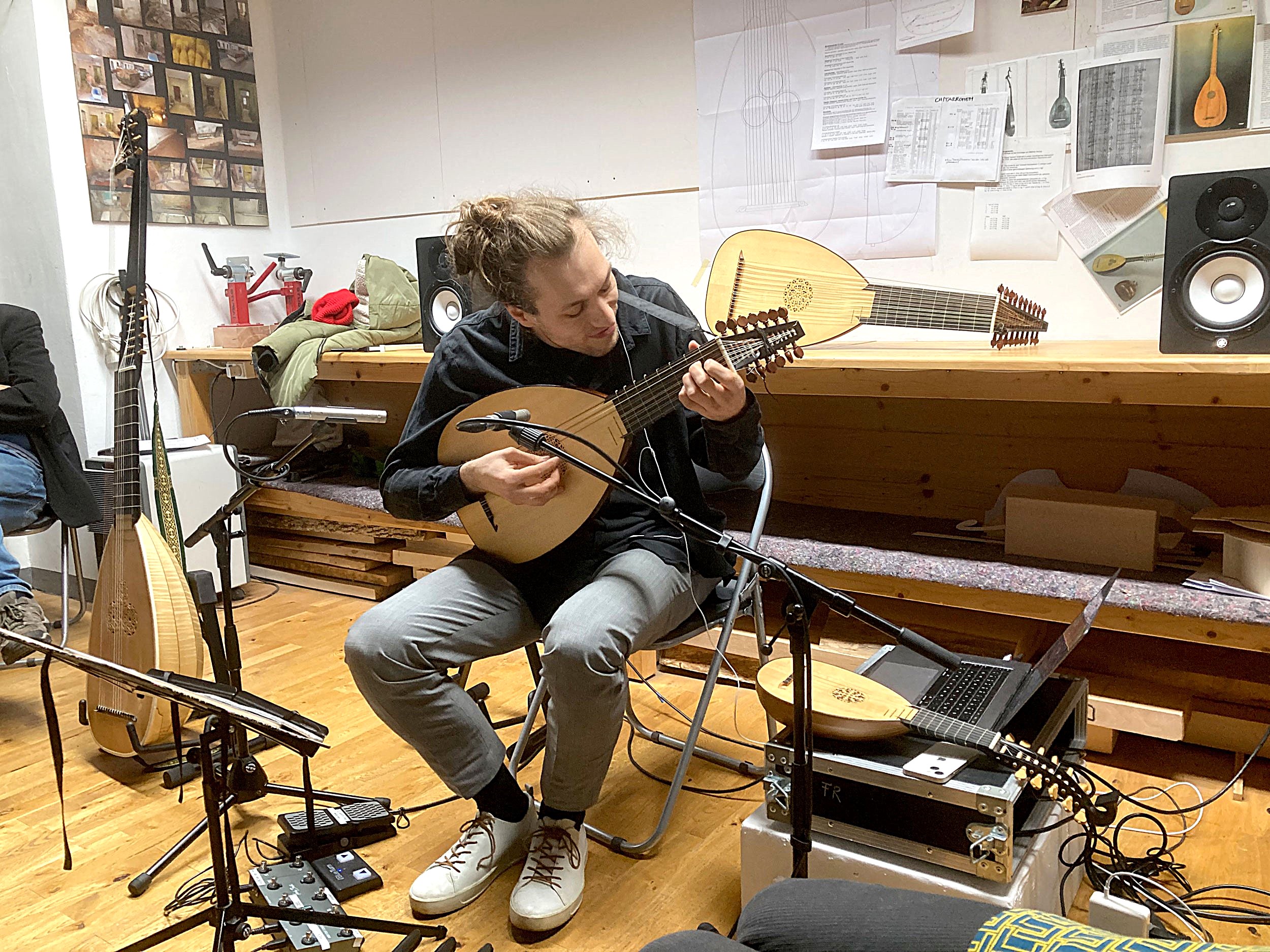
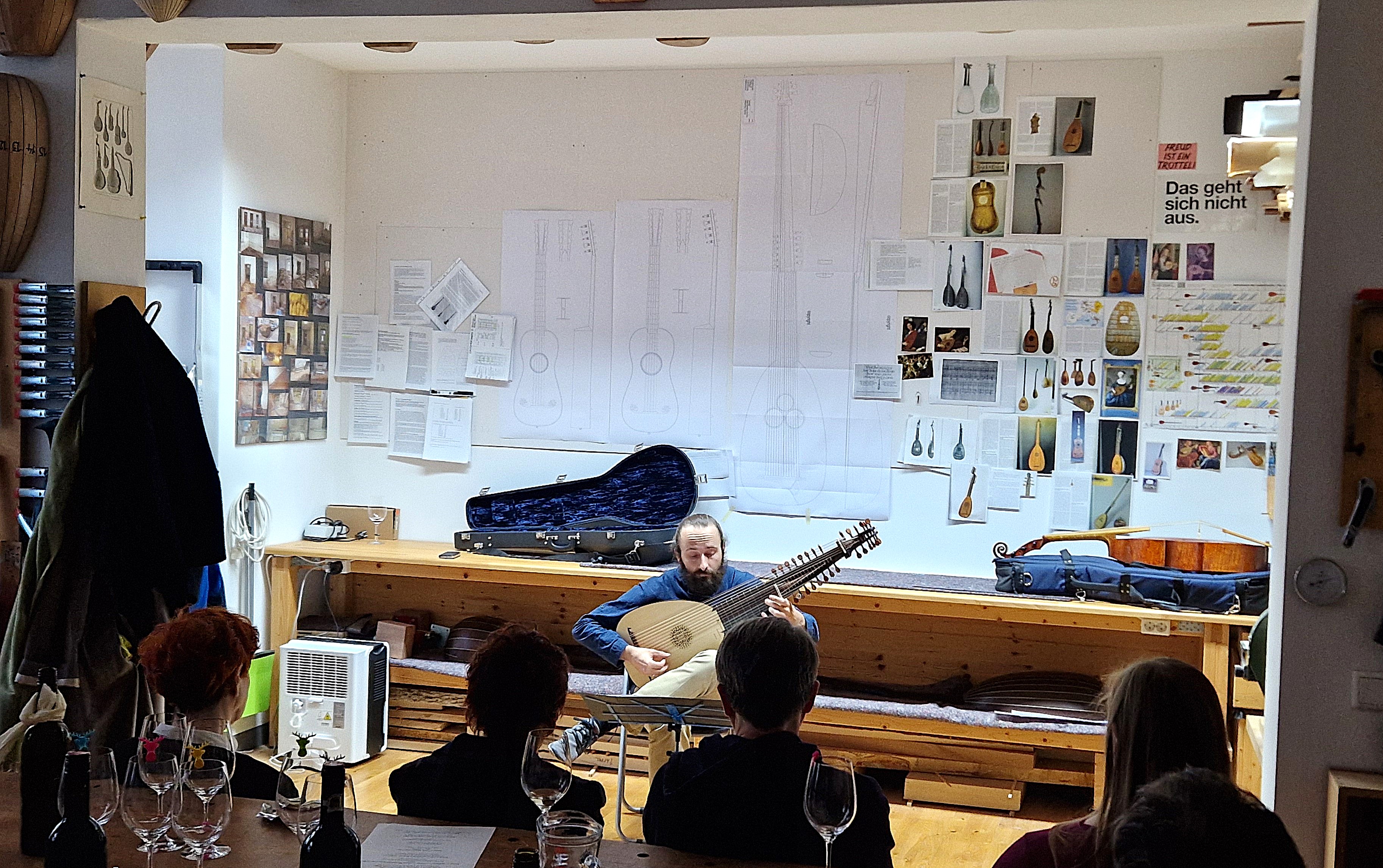
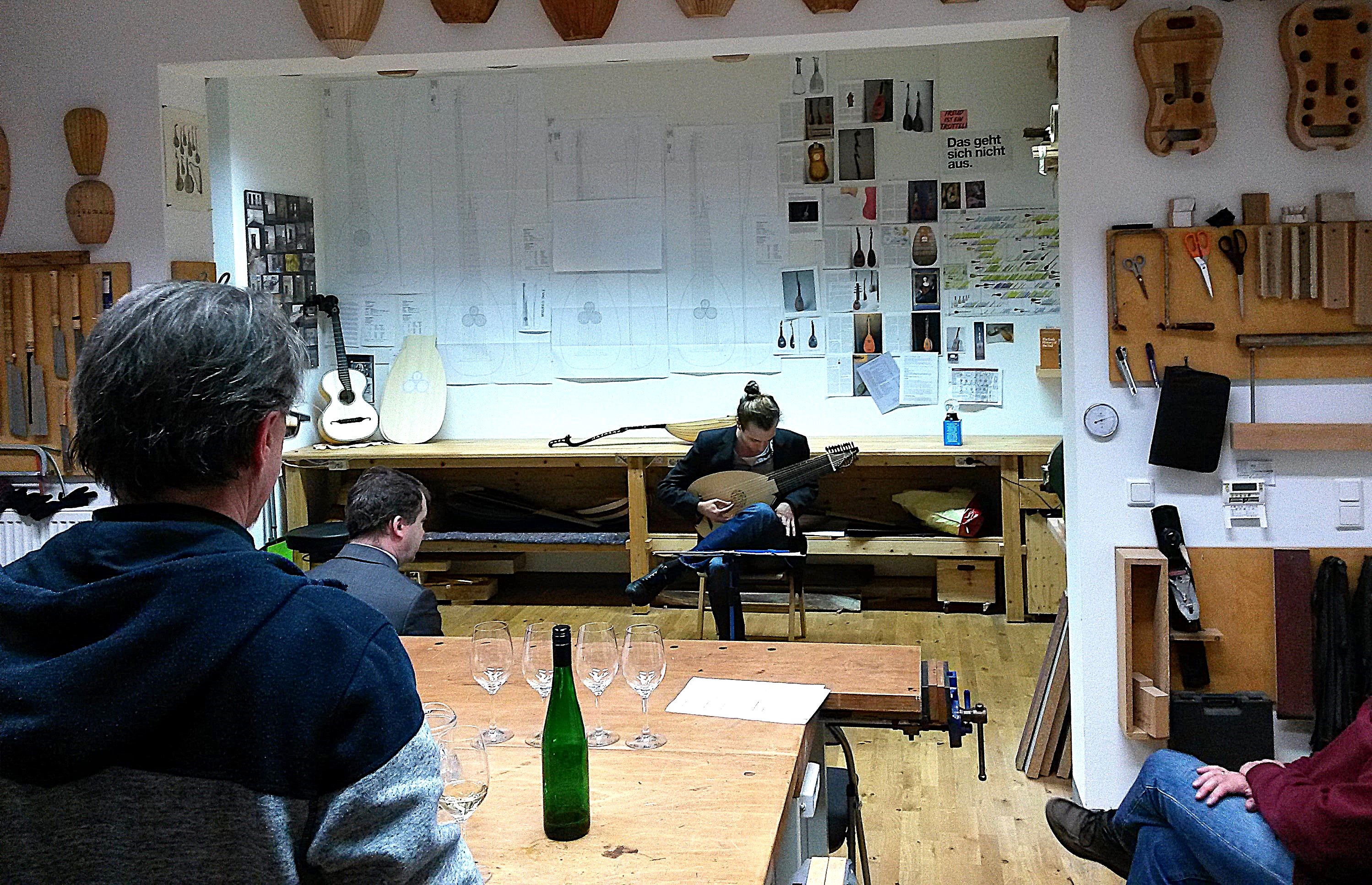
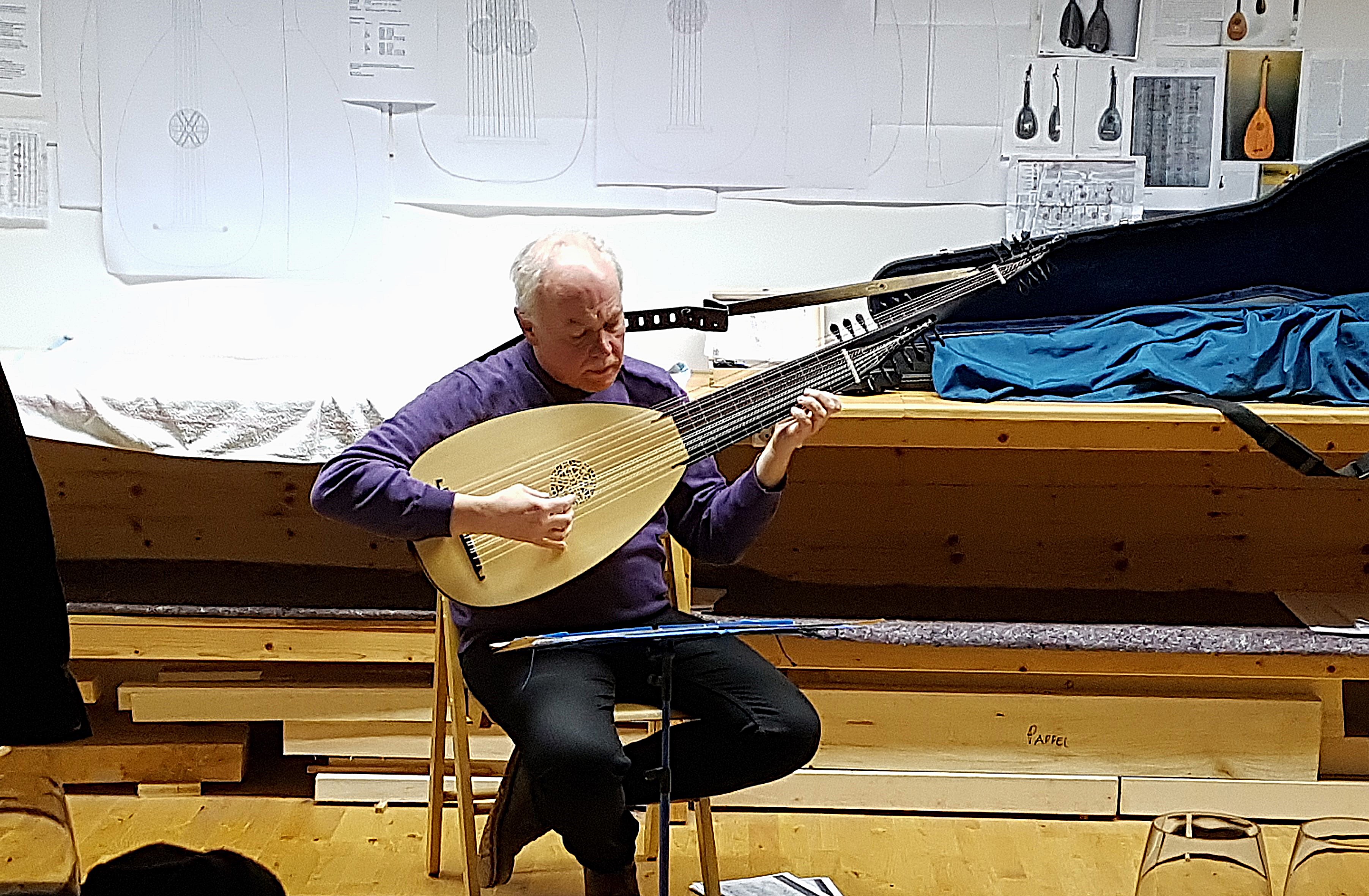
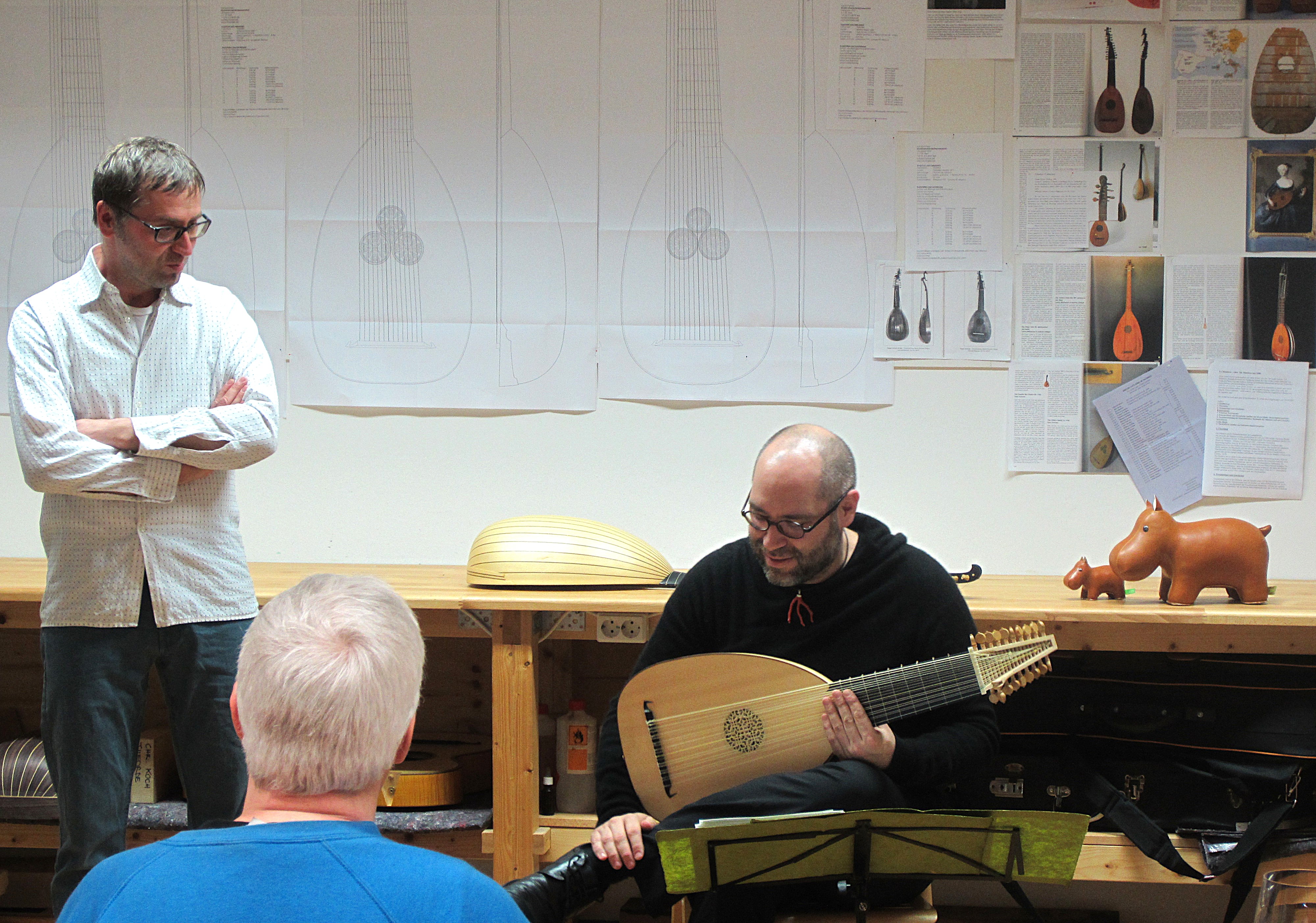
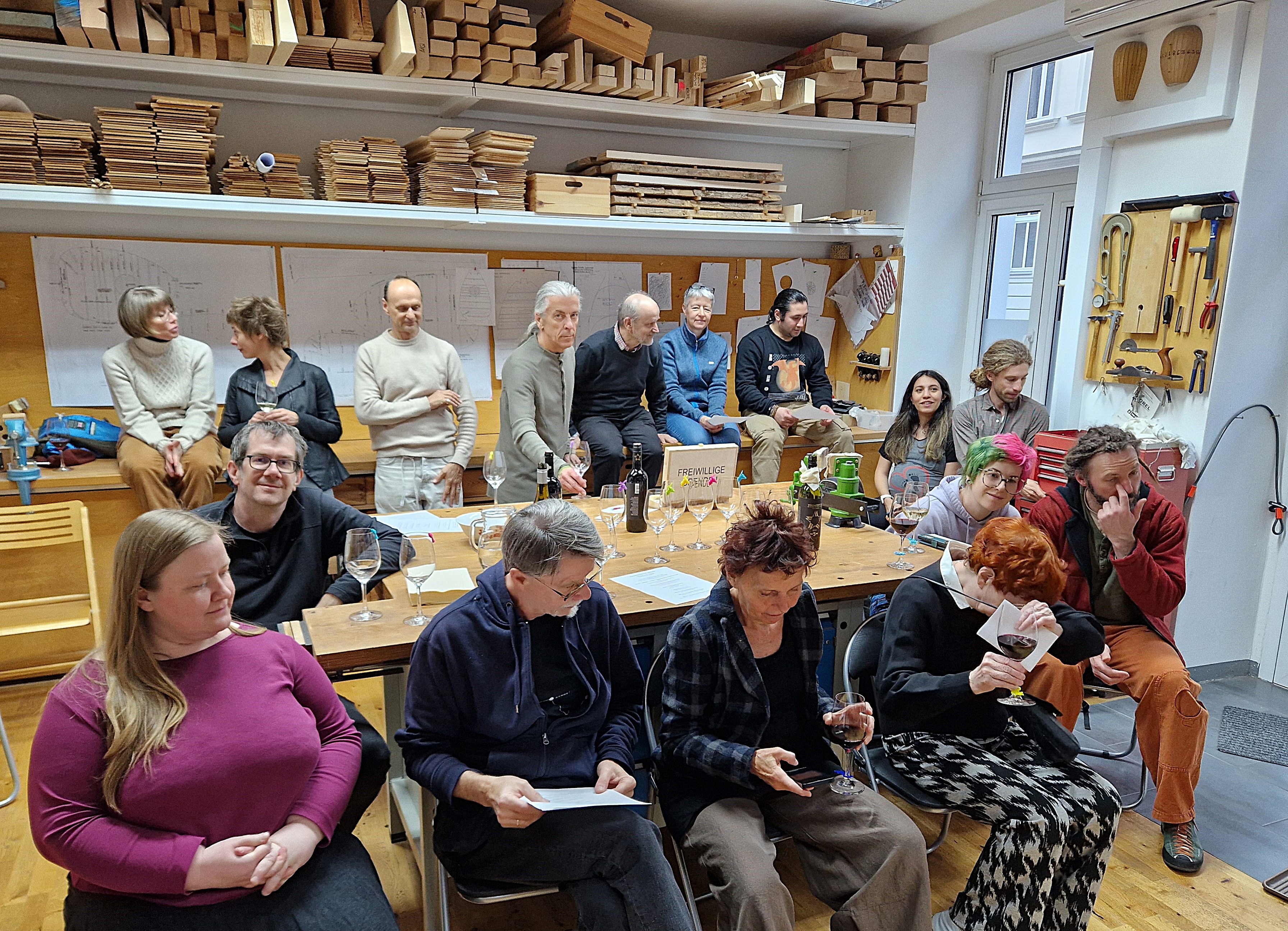
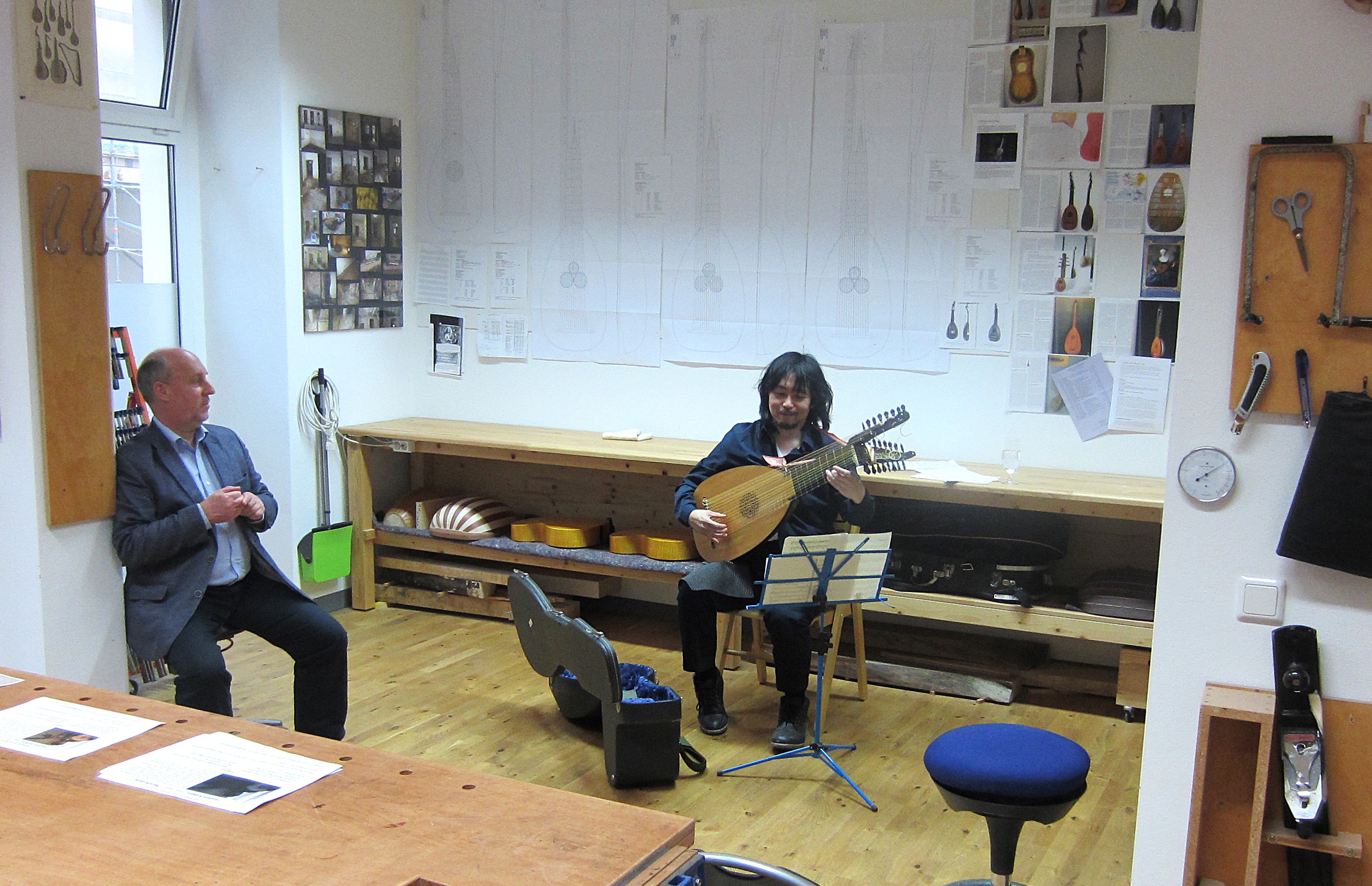
I organize up to four concerts a year in my workshop to offer a place that serves as a “testing laboratory” for these occasions, which may even platform the presentation of complete programs.
Performers:
David Bergmüller, Thomas Boysen, André Ferreira, Michael Freimuth, Hubert Hoffmann, Haidl Klaus, Sven Schwanberger, Ensemble Cicchetti Musicali